
ClearVisionResearch

If Your Cataract Treatment Isn’t Stopping the Progression, This May Be What’s Missing

Blurry vision, glare, and fading colors often continue even with treatment—because something deeper may be blocking your eyes from repairing the damage behind cataracts.

Published: April 2026 Reading Time: 4 minutes Reviewed by Vision Health Editorial Team

“The eye is the lamp of the body. If your eyes are healthy, your whole body will be full of light.” — Matthew 6:22

Cataracts May Not Be Caused by Aging Alone

Cataracts are often described as a natural result of aging. However, research from Johns Hopkins University and the Harvard Stem Cell Institute suggests another factor may be involved.

Inside the eye, a specific protein can interfere with the natural repair process, allowing visual damage to accumulate over time. Which may explain why vision continues to decline—even in people already trying to treat it.

As researchers looked for ways to interact with this process, they identified that certain rare honeys contain compounds capable of neutralizing proteins similar to this. These effects were not observed in common varieties, but in specific types sourced from rare regions — including the ancient area known as Canaan.

In Japan, where compounds derived from these sources have been widely used and studied, 93% of older adults maintain functional vision without relying on glasses or developing severe degeneration. In the United States, however, over 70% of people above 65 experience significant vision loss.

Vision decline may not be driven by aging alone — but by a specific internal blockage that, if not addressed, continues to worsen over time.

And more importantly, certain compounds identified in these rare sources appear to act directly on that blockage — which may explain why this pattern is so different across populations.
Are You Experiencing These Changes?

If you’ve been diagnosed with cataracts — or even suspect your vision is starting to change — you’ve likely noticed it’s not staying the same. Take a moment and check what you’ve been experiencing:

Your vision keeps getting worse, even after trying solutions
Bright lights or glare make driving — especially at night — feel uncomfortable or unsafe
You need to hold your phone farther away or increase brightness just to read clearly
You struggle to recognize faces or read signs from a distance like you used to

If This Feels Familiar, You’re Not Alone

Robert never thought it would come to this.

At first, it was just small things. Holding a menu a little closer. Turning on more lights to read. Telling himself it was normal.

Then one afternoon, something happened he couldn’t ignore:

He was sitting in his living room, holding his grandson in his arms… and when he looked down, he couldn’t clearly see his face. Not the eyes. Not the expression. Just a blur.

In that moment, everything hit him. This wasn’t just about vision. It was about missing the moments that matter most.

He had already tried what he was told, but nothing had stopped it from getting worse.

Real People, Real Experiences

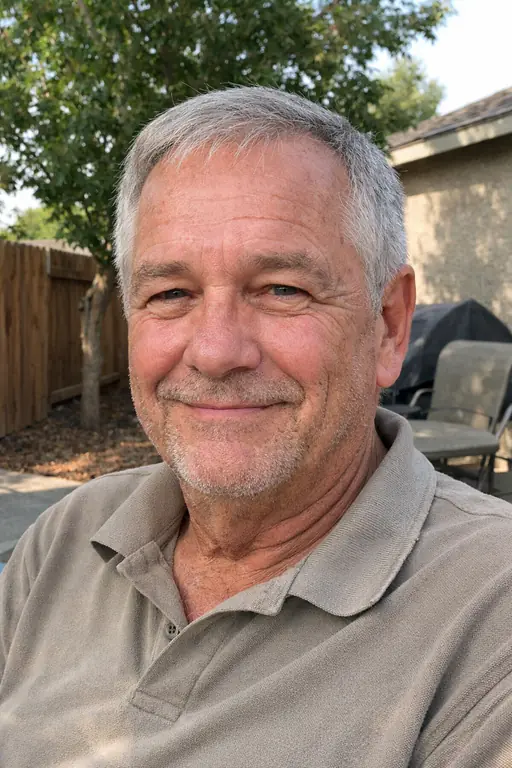
Robert

Robert, 64

Charleston, WV

"I live in West Virginia, and honestly, it felt like everyone around my age was dealing with vision problems. Mine kept getting worse every year. New glasses didn’t help much, and I was starting to accept that this was just how things would be. This felt like a last attempt for me. The explanation made sense, so I gave it a try. After a few weeks, I noticed something I hadn’t felt in a long time — it wasn’t getting worse anymore. That alone gave me a kind of relief I didn’t expect."

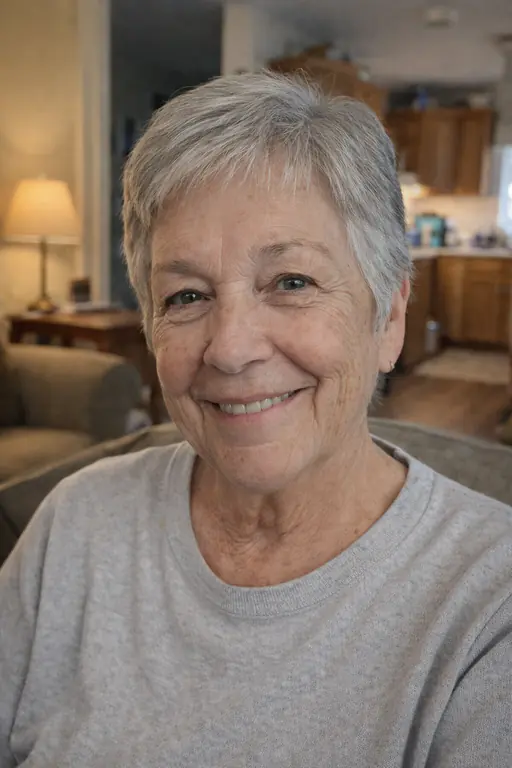
Linda

Linda, 66

Jackson, MS

"I’ve tried different things over the years, so I was pretty skeptical when I first saw this. But the explanation stayed in my head. It actually made sense in a way nothing else had before. So I gave it a chance. After some time, I realized my vision felt more stable. Not perfect, but definitely different from before. I didn’t expect that. That’s what surprised me the most."

Michael

Michael, 68

Tampa, FL

"I started avoiding driving at night and even reading for long periods. It wasn’t just my vision — it felt like I was slowly giving things up. I didn’t expect much, but I followed the method consistently. Over time, things started to feel easier again. Less strain, more clarity, more confidence. It may sound simple, but for me, it meant getting part of my life back."

Frequently Asked Questions

1. Can cataracts really be treated without surgery?
Most people are told surgery is the only option. But that’s because traditional approaches focus on the surface of the problem — not what may be driving it underneath. What’s being explained here points to a deeper process inside the eye that may influence how cataracts develop and continue to progress. That’s why understanding this mechanism matters — especially before deciding something as serious as surgery.
2. Why do cataracts keep getting worse even with treatment?
This is one of the most frustrating and confusing parts for many people. In many cases, treatments don’t address what may be interfering with the eye’s natural repair process — which means the underlying issue can continue progressing. The explanation connects how this internal blockage may be linked to ongoing vision decline, which is why many people only start to understand what’s happening after seeing it fully explained.
3. What is the best treatment for cataracts?
There isn’t a single answer for everyone. But one critical factor most treatments don’t address is whether the underlying process inside the eye is being affected — not just the visible symptoms. That’s why many people only start seeing real changes after understanding what may be happening beneath the surface.
4. When should cataracts actually be treated?
Most people wait until their vision becomes significantly affected. However, if the underlying process is already progressing, waiting may allow the damage to continue building over time. Understanding what’s driving that progression can make a meaningful difference in how and when you decide to act.

Don't wait until the world goes dark — take back control of your vision today.

Find out how this hidden discovery is helping people protect their vision — before the damage becomes permanent.

See How It Works Now
Start Restoring Your Vision